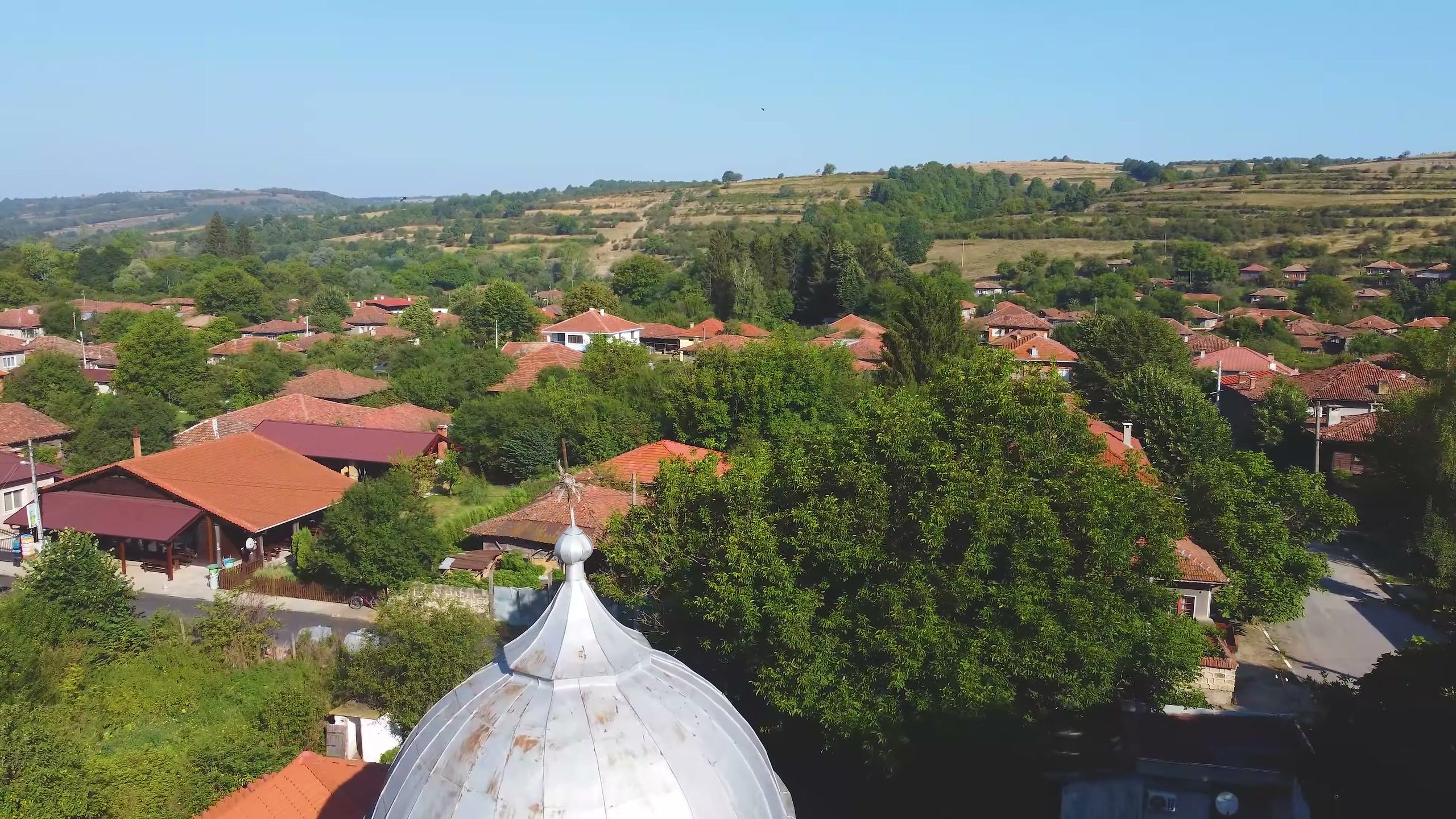
Kipilovo
History
Legends, a late-antique fortress, a Revival scholar, and the people who left but never forgot.
A summary of the Bulgarian history page.
The name
Local legend says the area was "teeming with game" (kipyalo ot lov), which gave Kipilovo its name. The Škorpil brothers, pioneers of Bulgarian archaeology, suggested instead that the name comes from an ancient fortress called Kirpillon Pelon. Whether modern archaeology accepts that link is not settled.
The settlers
According to tradition, during Ottoman rule several hundred people from the Belogradchik region crossed the northern ridge of the Balkan Mountains and settled here, drawn by the water and the game.
The Kipilovo Kale
On Hisarlaka peak, about 3 km south of the village, stand the overgrown ruins of a fortress usually dated to the late 6th century and the Byzantine defence of Constantinople (some local sources say Roman, 3rd–4th century). Three gates and a rock-cut well survive.
Anastas Kipilovski (1802–1870)
The village's best-known son was a shepherd's child who studied in Kotel, Odessa and Leipzig and became a translator, journalist and poet of the Bulgarian National Revival. His 1836 translation of Kaydanov's world history was one of the era's textbooks. His bust stands in the village centre.
The 20th century
Kipilovo had 1,405 inhabitants in 1934. From the 1950s many families moved to the industrial town of Sliven, which today has the largest Kipilovo community outside the village. About 400 people live in the village today.